


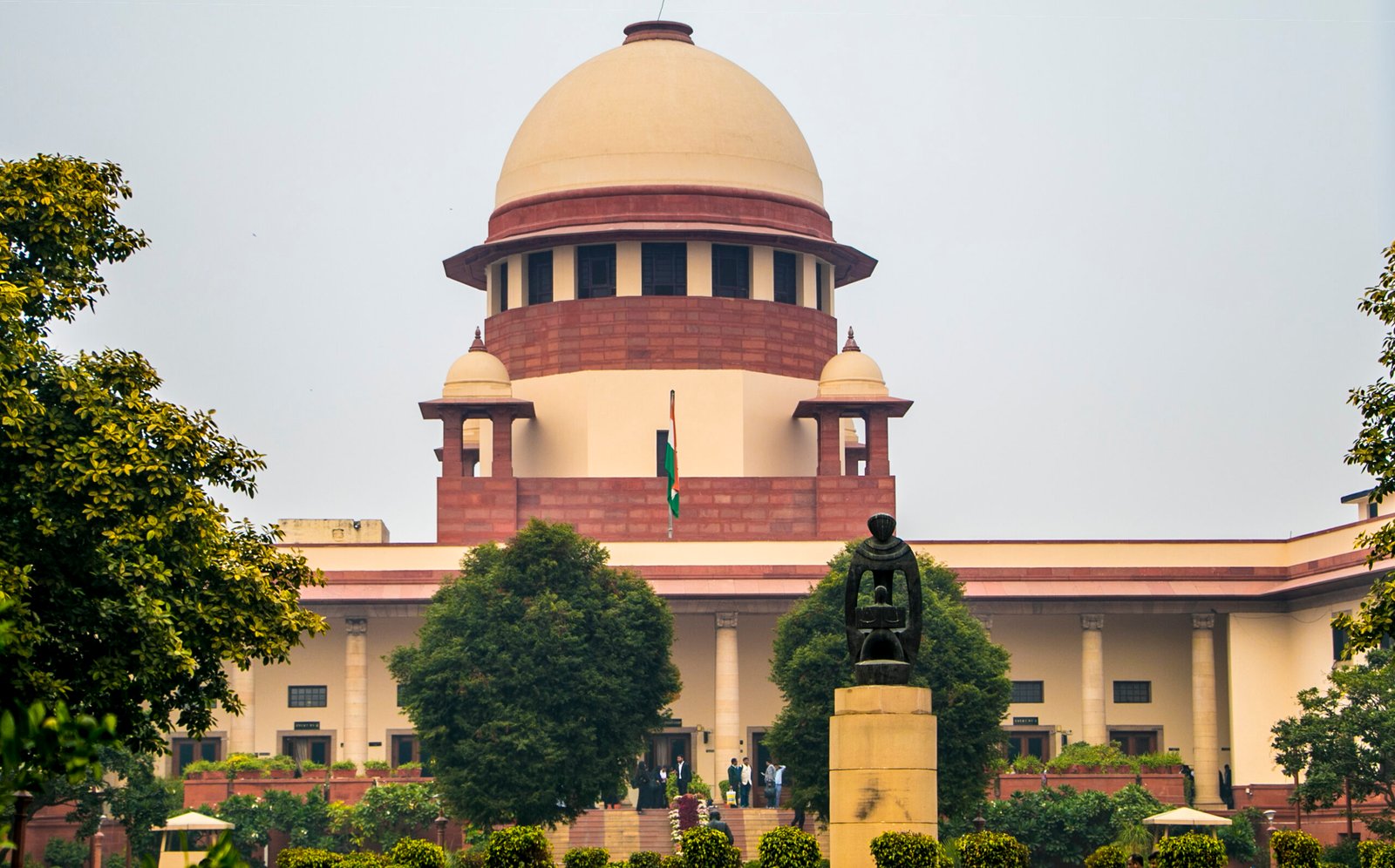
The Supreme Court on Thursday agreed to list for hearing in March a public interest litigation (PIL) seeking directions to seize the election symbol or deregister political parties that promise or distribute “irrational freebies” to voters ahead of elections.
A bench comprising Chief Justice Surya Kant and Justice Joymalya Bagchi gave the assurance after petitioner-lawyer Ashwini Upadhyaya mentioned the matter and urged early listing. He told the court that notices had already been issued to the Centre and the Election Commission of India (ECI) in 2022 but the matter had not yet been taken up for detailed hearing.
Calling it a serious concern, Upadhyaya submitted that political parties promise excessive benefits during elections to attract voters. “Except Sun and Moon, everything is promised by political parties to voters during elections and this amounts to corrupt practice,” he told the bench. The Chief Justice responded that the issue was important and asked the petitioner to mention the matter again for listing in March.
Earlier, on January 25, 2022, a bench headed by then Chief Justice N V Ramana had sought responses from the Centre and the ECI on the plea, observing that the issue of election freebies was serious and that at times “freebie budget is going beyond regular budget.”
The petition seeks a declaration that promises of “irrational freebies” from public funds before elections unduly influence voters, disturb the level playing field, and vitiate the purity of the electoral process. As an alternative, it asks the court to direct the Centre to enact a law regulating such promises.
Filed through advocate Ashwani Kumar Dubey, the plea argues that the growing practice of offering freebies with an eye on elections threatens democratic values and the constitutional framework. It describes such promises as akin to bribing the electorate at public expense.
The petitioner has also sought directions to the Election Commission to amend the Election Symbols (Reservation and Allotment) Order, 1968, by adding a condition that a recognised political party should not promise or distribute irrational freebies from public funds before elections.
According to the plea, distributing private goods or services that are not for public purposes from government funds violates constitutional provisions, including Articles 14, 162, 266(3) and 282. It contends that unchecked freebie promises undermine free and fair elections and have led to alarming trends in the electoral process.