


In a significant crackdown, law enforcement agencies in Delhi have arrested 254 foreign nationals involved in drug trafficking cases since 2024, the government revealed in the Lok Sabha on Tuesday. These arrests come alongside the seizure of narcotics valued at over ₹40.53 crore. The arrests raise serious security concerns over illegal drug trade and foreign residency compliance in the National Capital Region.
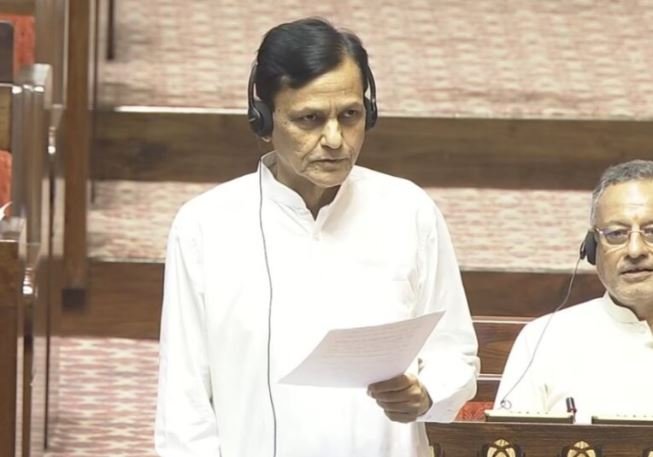
Minister of State for Home Affairs Nityanand Rai provided a detailed account, stating that Delhi Police apprehended these individuals for illegal trafficking of narcotic drugs during the period from 2024 to June 30, 2026. Areas notably affected include Khanpur Extension, Deoli, Sangam Vihar, Mehrauli, Hauz Rani, Uttam Nagar, and parts of west Delhi.
The yearly data highlights alarming trends: 40 arrests in 2024, followed by 35 in 2025, and 15 in the first half of 2026. This indicates a pervasive network that operates despite intensified law enforcement efforts.
Seized drugs comprise various substances including heroin, cocaine, and methamphetamine. Specifically, the estimated value for these seizures reached ₹12.75 crore in 2024, ₹14.27 crore in 2025, and ₹13.50 crore up to June 30 this year. The diversity of drugs confirms the complexities involved in the narcotics trade.
In another startling revelation, authorities identified 103 foreign nationals living in rented properties without the mandatory tenant verification. To combat this, action has been initiated against 63 landlords, showcasing the government’s commitment to enhancing security protocols.
During a separate session, Rai emphasized the government’s Zero Tolerance policy against drug trafficking. The Narcotics Control Bureau (NCB) has intensified its efforts through an innovative, technology-driven framework to dismantle drug trafficking networks across online platforms, encrypted applications, and the darknet.
Cyber experts now assist the NCB in probing darknet-enabled drug trafficking and cryptocurrency transactions. This engagement underscores the changing dynamics of drug trade and the necessity for advanced investigative techniques to stay ahead of criminals.
The ambitious Vision Document on Narcotics Control outlines a strategic plan to establish dedicated Darknet and Cryptocurrency Cells within Anti-Narcotics Task Forces. These cells will utilize AI analytics and enhanced inter-agency coordination to combat organized cyber-enabled drug trafficking.
The NCB is also involved in specialized training programs focusing on digital forensics and darknet monitoring. These programs, developed in collaboration with the US Drug Enforcement Administration and Rashtriya Raksha University, aim to bolster skills required to tackle modern drug trafficking challenges.
Rai revealed that the three-year vision includes definitive timelines under a “Whole-of-Government” and “Whole-of-Society” approach to effectively combat drug trafficking and abuse. This comprehensive strategy prioritizes financial investigations and seeks to expand the Narco-Coordination Centre, thereby enhancing international cooperation.
Initiatives like the 24×7 MANAS national narcotics helpline and the Mission Drug Free Campus in educational institutions represent practical steps towards addressing drug abuse across communities.
The results from these efforts signal a robust response to a growing crisis, reaffirming the government’s commitment to eradicate drug trafficking and support public welfare.